

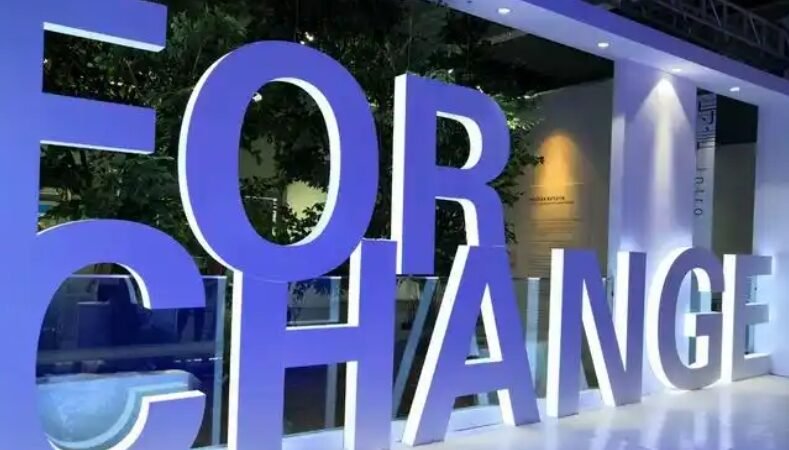
In the competitive world of signage, resin illuminated letters stand out from common alternatives like metal, acrylic, and neon signs due to distinct characteristics that cater to specific advertising needs. Understanding these differences helps businesses choose the right signage for their brand identity.
Material composition sets resin letters apart. Unlike metal signs with rigid frames or acrylic options relying on plastic sheets, resin letters use a liquid polymer cured into solid forms. This allows for seamless, one-piece construction without visible seams or joints, creating a sleek, modern look. Common signs often have splicing marks that disrupt visual flow, especially in intricate designs.
Light diffusion is another defining feature. Resin’s translucent properties evenly scatter LED light from within, producing a soft, uniform glow. In contrast, metal or acrylic signs may suffer from hotspots—brighter areas near LED sources—or uneven lighting due to material thickness variations. Neon signs, while vibrant, emit harsher light that can appear outdated compared to resin’s smooth illumination.
Durability and weather resistance differ significantly. Resin letters, once cured, form a robust barrier against moisture, UV rays, and temperature fluctuations, making them ideal for outdoor use. Metal signs may rust over time, acrylic can crack in extreme cold, and neon tubes are fragile and prone to breakage. Resin’s resilience reduces maintenance costs, a key advantage for long-term outdoor installations.
Design flexibility further distinguishes resin options. The liquid resin can be tinted to any color during production, eliminating the need for post-fabrication painting that may chip on metal signs. Its moldable nature allows for 3D shapes, curved edges, and custom thicknesses—possibilities limited in rigid materials like acrylic or metal. Common signs often require compromising design for material constraints.
Installation and cost factors vary too. Resin letters are lighter than metal alternatives, simplifying mounting on various surfaces. While initial resin production costs may be higher due to specialized curing processes, their longevity and reduced upkeep often offset this. Neon signs, for example, have higher energy consumption and frequent replacement needs, making resin a more cost-effective choice over time.
These differences position resin illuminated letters as a premium option for brands seeking modern aesthetics, durability, and customizable design—traits that set them apart in today’s visually driven market.